The Theatre
The Theatre is a pivotal location in Fyodor Dostoevsky's "White Nights," functioning as the stage for Nastenka's first real taste of freedom and the crucible of her love for the Lodger. It is not merely a building but a symbol of the vibrant, shared cultural life from which both the Dreamer and Nastenka feel excluded, and its performances—especially Rossini's The Barber of Seville—become intertwined with the characters' deepest hopes, memories, and fantasies.
Identity and Setting
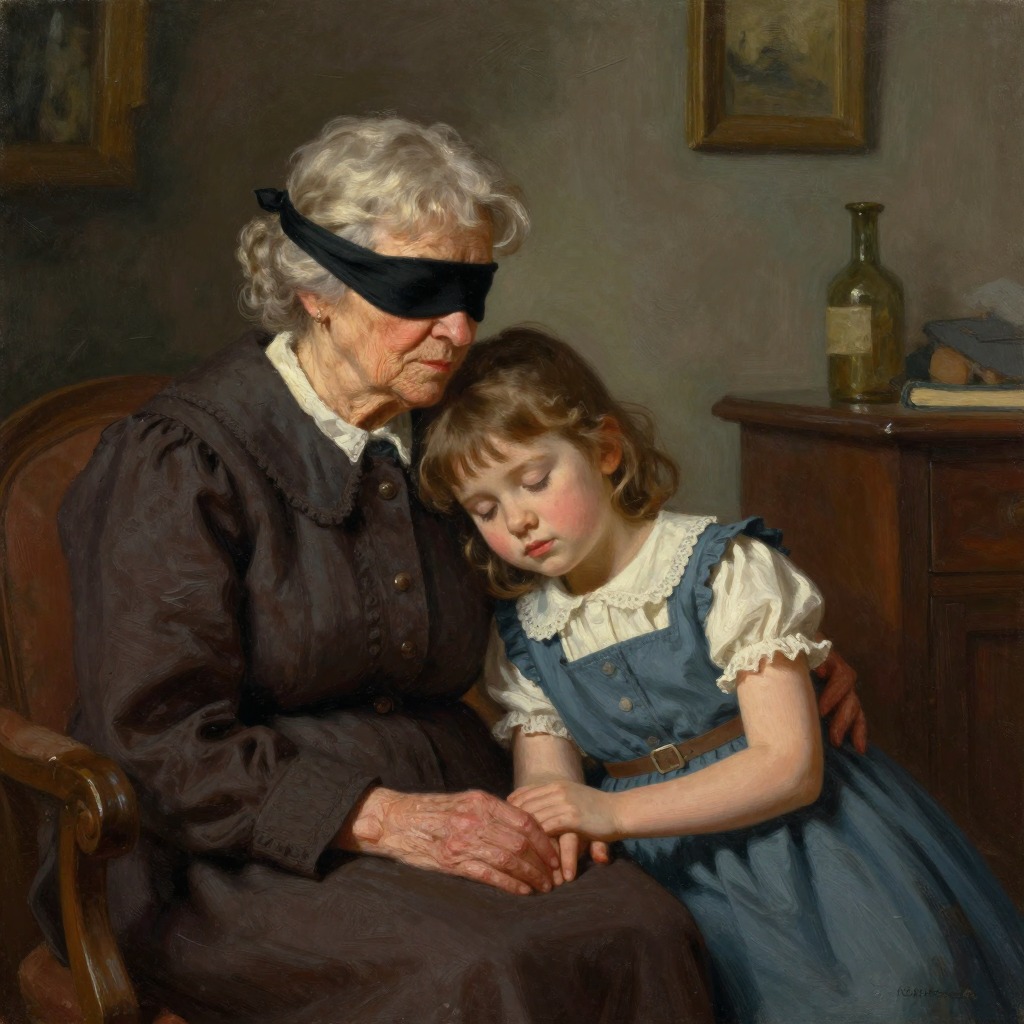
The Theatre is introduced as a place of performance and social gathering, distinct from the lonely, introspective spaces of the Dreamer's room and the canal embankment. It is the venue where the Lodger, a young man who has rented a room in Nastenka's house, takes Nastenka and her blind Grandmother to see an opera. The specific production mentioned is Rossini's The Barber of Seville, a comic opera that Grandmother recalls performing in during her youth. The Theatre represents a world of art, music, and public entertainment—a world that stands in stark contrast to the confined, silent life Nastenka leads, pinned to her grandmother's dress, and to the Dreamer's solitary, fantastical existence.
The Theatre as a Catalyst for Nastenka's Romance
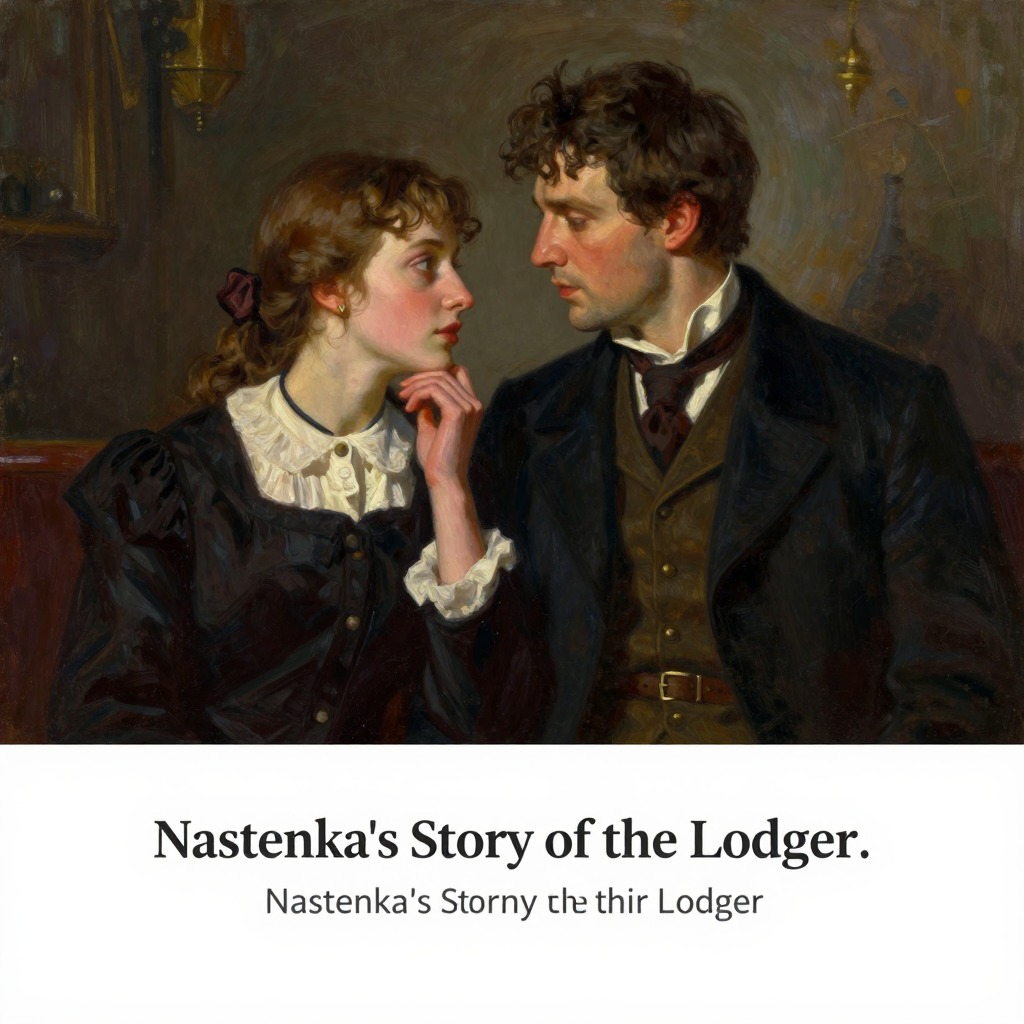
The Theatre is the setting for the most significant event in Nastenka's personal history: her first outing with the Lodger. After weeks of exchanging books—Walter Scott's novels and Pushkin's works—the Lodger arranges for the three of them to attend The Barber of Seville. For Nastenka, who has never been to the theatre before, the experience is transformative. She later recalls that the Lodger looked at her so nicely and talked so nicely that she understood he had been testing her earlier when he proposed she go alone. The evening fills her with such joy that she goes to bed feverish, raving about the opera all night. This single visit to the Theatre crystallizes her feelings for the Lodger, turning a quiet, bookish acquaintance into a passionate, year-long love. The Theatre thus becomes the place where Nastenka's romantic imagination, previously fed by novels and dreams of marrying a Chinese Prince, is suddenly anchored in a real, shared experience with a real man.
The Theatre as a Shared Dream and a Promise
The Theatre also functions as a symbol of the future happiness that Nastenka and the Dreamer briefly imagine together. After the Dreamer confesses his love and Nastenka, heartbroken by the Lodger's apparent abandonment, tentatively accepts him, they immediately begin planning a life together. Among their first shared fantasies is a return to the Theatre: the Dreamer exclaims, "And we will go to The Barber of Seville, for they are soon going to give it again." Nastenka, however, demurs, saying they should see something else instead. This small exchange reveals how deeply the Theatre is woven into their emotional landscape. For the Dreamer, repeating the Lodger's gesture is an attempt to claim the same romantic power; for Nastenka, the opera is now too closely tied to her original love, and she instinctively wants to create a new, separate memory with the Dreamer. The Theatre thus becomes a contested space of memory and hope, a place where the past and an imagined future collide.
The Theatre's Narrative and Thematic Significance
Beyond its role in the plot, the Theatre embodies the central tension of "White Nights" between real life and fantasy. The Dreamer, who lives entirely in his imagination, has never had a real romantic experience; his love affairs are all with ideals and dreams. The Theatre, as a place of staged, artificial emotion, mirrors his own condition. Yet for Nastenka, the Theatre is a gateway to reality—it is where a real man (the Lodger) performs a real act of kindness that leads to a real, if painful, love. The opera itself, The Barber of Seville, is a comedy of mistaken identities and clever schemes that ends in happy marriage, a stark contrast to the bittersweet, unresolved ending of the Dreamer's own story. The Theatre thus stands as a reminder of the kind of life the Dreamer cannot have: a life of shared, public joy, of music and laughter, of love that is not merely imagined but acted out in the world. When the Dreamer, in his final letter to Nastenka, blesses her and wishes her a clear sky and a bright, untroubled smile, he is essentially releasing her into that world of real, theatrical happiness—the world of the Theatre—which he can only watch from the outside.